

August 21, 2026
August 21, 2026
7.00 Min Read
Refractory Period In Men And Why Recovery Time Varies So Much
Most men have noticed the gap between finishing and feeling ready again. Sometimes it passes quickly. Other times the body seems determined to stay offline for hours. That pause has a name, and it works differently from one man to the next. The refractory period in men is one of those topics that gets brushed aside with a shrug, but it affects everything from round two expectations to how couples plan intimate time together.
What makes recovery time frustrating is how unpredictable it can feel. A twenty year old might bounce back in minutes. A forty-five-year-old might need an hour or more. And even within the same person, the window changes based on stress, sleep, and arousal. There are biological reasons behind all of it, and once you see the full picture, that recovery gap starts making a lot more sense.
Table Of Contents For Refractory Period In Men
- ① What The Refractory Period Does To Your Body After Orgasm
- ② The Biggest Factors Behind Shorter Or Longer Recovery
- ③ Everyday Habits That Quietly Influence How Fast You Recover
- ④ When A Changing Recovery Window Signals Something Worth Checking
- ⑤ Working With Your Refractory Period Instead Of Against It
- ⑥ FAQs About The Male Refractory Period
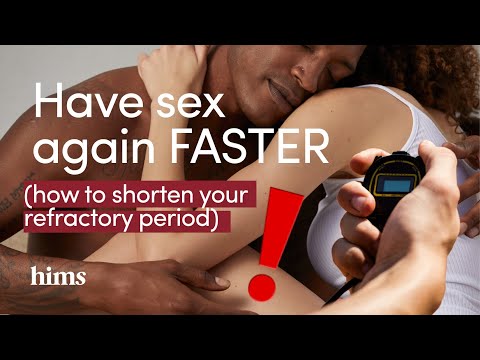
Watch The Male Refractory Period Explained
What The Refractory Period Does To Your Body After Orgasm
Right after orgasm, your nervous system flips a switch. Prolactin floods the bloodstream while dopamine drops sharply. This hormonal shift tells the body to cool down, and the penis loses its erection as blood flow reverses. The difference between ejaculation and the orgasm itself matters here because the refractory period mainly follows ejaculation rather than the pleasure peak alone.
During this window, nerve sensitivity in the penis decreases significantly. Touch that felt incredible seconds ago can feel uncomfortable or produce almost nothing. The sympathetic nervous system takes over from the parasympathetic side, which was responsible for arousal. Heart rate and breathing begin returning to baseline. Mentally, the urgency and desire that drove the entire encounter can vanish within seconds.
My girlfriend once asked why I seemed completely uninterested in everything about thirty seconds after finishing. It was a fair question. That post-orgasm shift can look like emotional withdrawal, but it is purely chemical. The brain temporarily enters a state where sexual stimulation registers differently. Once that prolactin surge passes and dopamine starts climbing again, interest and physical readiness gradually return on their own schedule.
The Biggest Factors Behind Shorter Or Longer Recovery
Age is the most commonly cited factor, and it holds up. Younger men produce hormonal rebounds faster. Testosterone levels tend to be higher, dopamine receptor sensitivity is stronger, and cardiovascular efficiency supports quicker blood flow recovery. A man in his early twenties might experience a refractory period of a few minutes. By his forties or fifties, that same pause could stretch well past an hour. Exploring how multiple orgasms work for men can also shift perspective on what recovery looks like at different stages of life.
Hormonal balance plays a quieter but equally powerful role. Low testosterone shortens the arousal window and lengthens the recovery gap. High prolactin, sometimes caused by medication or underlying conditions, keeps that post orgasm suppression active for longer. Thyroid function, cortisol levels, and even insulin sensitivity all feed into how efficiently the body resets itself after climax.
Everyday Habits That Quietly Influence How Fast You Recover
Sleep is one of the most underrated factors in sexual recovery. Testosterone production peaks during deep sleep cycles, and chronic sleep deprivation suppresses it measurably. Men averaging less than six hours per night often notice slower arousal return and weaker erections overall. Building stronger sexual stamina often starts with fixing the basics before looking at anything more advanced.
Exercise habits matter too, especially cardiovascular activity. Regular movement improves nitric oxide production, which is essential for erection quality and speed. Strength training supports testosterone maintenance. Even walking thirty minutes a day creates measurable improvements in blood flow efficiency. On the opposite side, heavy alcohol use, smoking, and chronic dehydration all slow the body’s ability to reset after orgasm.
Diet plays a quieter role but still contributes. Zinc, magnesium, and healthy fats support hormone production. Processed food heavy diets tend to increase inflammation, which affects vascular health and nerve sensitivity. Small consistent improvements in what you eat can shift recovery patterns over weeks and months without requiring any dramatic lifestyle overhaul.
When A Changing Recovery Window Signals Something Worth Checking
A gradually longer refractory period as you age is normal. A sudden or dramatic change is worth paying attention to. If your recovery time jumps from twenty minutes to several hours without an obvious lifestyle change, something hormonal, cardiovascular, or medication-related may be involved. Exploring natural approaches to sexual health can support general wellness, but persistent changes deserve a conversation with a doctor.
My girlfriend pointed out that my recovery time seemed noticeably longer during a stretch when work pressure was peaking. I hadn’t connected the two until she mentioned it. Chronic stress elevates cortisol, which directly suppresses testosterone and slows the entire arousal cycle. That observation led to a few practical changes that helped more than I expected. Partners often notice patterns that are invisible from the inside.
Working With Your Refractory Period Instead Of Against It
Fighting the refractory period creates frustration. Working with it changes the experience entirely. If you know your recovery window tends to run about thirty minutes, that time can be used for closeness, conversation, massage, or focus on your partner. Shifting attention away from your own arousal often allows the body to reset more naturally than staring at the clock and willing an erection into existence.
Some men find that staying physically engaged during the refractory period, even without full arousal, shortens it. Light touch, kissing, and skin contact keep the parasympathetic nervous system partially activated. The transition back to arousal becomes smoother when the body never fully disengages. This is different from forcing stimulation, which can feel unpleasant during peak sensitivity loss.
Planning around your pattern also helps couples who want multiple rounds. If you know evening fatigue adds another thirty minutes to your recovery, moving intimate time earlier creates a different outcome without changing anything about your body. Awareness of your own rhythm removes the guesswork. It turns the refractory period from a problem into a predictable part of how your body works.
Support Sexual Wellness Between Sexual Experiences
The refractory period is a natural recovery phase, while broader wellbeing can influence sexual energy and performance. Explore sexual health products designed to support different aspects of male sexual wellness, confidence, stamina, and intimate wellbeing.

FAQs About The Male Refractory Period
How long does the refractory period usually last in men?
Recovery can range from minutes to much longer periods. Age, recent sexual activity, energy, health, stimulation, and individual sexual response can all influence the timing.
Does the refractory period get longer with age?
Many men notice that recovery becomes less immediate as they get older. The change can be gradual, and men of the same age can still have very different recovery patterns.
Can a man stay aroused during the refractory period?
Interest in intimacy can remain even when another erection or orgasm is difficult. Affection, touch, kissing, and mental arousal may continue while genital responsiveness temporarily drops.
Can stress make recovery after orgasm take longer?
Stress can interfere with arousal and erection response. Performance pressure can also make renewed stimulation feel less effective after orgasm.
When should a change in refractory time be checked by a doctor?
A persistent sudden change deserves attention when it appears with pain, erection problems, sensation changes, ejaculation changes, or a major decline in sexual desire. Medication changes and other health symptoms are also useful to mention during a medical appointment.


